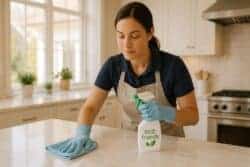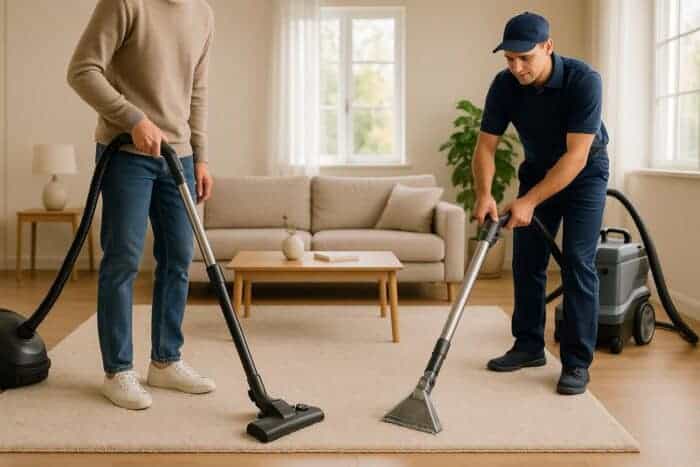
Struggling with allergies at home? Here’s the bottom line:
Professional cleaning provides deeper allergen removal, better air quality, and long-term results compared to DIY cleaning. However, DIY methods are cost-effective and suitable for routine upkeep.
Key Points:
- DIY Cleaning: Affordable and good for regular maintenance, but limited in removing deeply embedded allergens.
- Professional Cleaning: Uses advanced tools (like HEPA vacuums) for a thorough clean, improving air quality and reducing allergens long-term.
Quick Comparison:
| Aspect | DIY Cleaning | Professional Cleaning |
|---|---|---|
| Effectiveness | Surface-level cleaning | Deep allergen removal |
| Equipment | Basic consumer tools | Commercial-grade HEPA systems |
| Cost | Lower upfront costs, ongoing supplies | $100–$250 per session |
| Time Required | 16–20 hours/month | 2–3 hours/session |
| Health Impact | Risk of chemical exposure | Eco-friendly, hypoallergenic products |
Best Approach: Combine regular DIY cleaning with professional deep cleaning every 12–18 months for optimal allergen control.
How Well Each Method Removes Allergens
DIY Cleaning Methods and Results
DIY cleaning methods can address surface-level allergens, but they often fall short when it comes to tackling deeply embedded particles. For example, even vacuum cleaners equipped with HEPA filters may not fully remove all allergens hiding in carpets and upholstery. Additionally, using store-bought cleaning products without proper techniques can sometimes backfire – leaving residues that attract more dirt or even redistributing allergens instead of eliminating them [6].
| DIY Cleaning Method | Effectiveness | Limitations |
|---|---|---|
| Standard Vacuum | Removes visible dust and surface allergens | Misses deeply embedded particles |
| Damp Cloth Dusting | More effective than dry dusting [1] | Time-intensive; requires frequent cloth cleaning |
| Hot Water Washing (130°F+) | Kills dust mites in bedding [1] | Limited to washable items |
| Rental Carpet Cleaner | Surface-level cleaning | Inconsistent water temperature; potential mold risk [6] |
While DIY methods can be helpful for regular maintenance, they often lack the thoroughness required to significantly reduce allergens in the home.
Professional Cleaning Methods and Results
Professional cleaning services, on the other hand, are designed to deliver a much deeper clean using advanced equipment and specialized techniques. These services rely on commercial-grade HEPA systems and methods like hot water extraction to target allergens embedded deep within carpets, upholstery, and other surfaces. This approach not only removes visible dirt but also addresses microscopic allergens that are often missed by DIY methods.
The Environmental Protection Agency (EPA) highlights that indoor air can be 2 to 5 times more polluted than outdoor air [5]. Professional cleaning can significantly improve indoor air quality by removing allergens from both surfaces and the air.
"Hot water extraction reaches deep into the carpet fibers, removing not just visible dirt, but also microscopic allergens. The high temperature helps neutralize dust mites and denature pet dander proteins, making them less likely to trigger allergic reactions." [6] – Carpet Tech
By targeting allergens at their source, professional cleaning methods can deliver longer-lasting results and help create a healthier living environment.
Results Comparison
When comparing DIY and professional cleaning methods, the advantages of professional services become clear. While DIY efforts are useful for maintaining cleanliness between professional treatments, they often can’t match the depth and effectiveness of professional cleaning.
| Aspect | DIY Results | Professional Results |
|---|---|---|
| Depth of Clean | Surface-level cleaning | Deep cleaning reaches embedded allergens [2] |
| Equipment Quality | Basic consumer-grade tools | Commercial-grade HEPA systems [2] |
| Air Quality Impact | Minor improvement | Can filter up to 98% of airborne allergen particles [1] |
| Residue Issues | Residues may attract more allergens [6] | Uses specialized solutions that leave no residue |
| Long-term Effectiveness | Temporary relief | Longer-lasting impact with thorough cleaning [4] |
Professional cleaning services stand out in three key ways:
- Deep carpet cleaning to remove allergens trapped in fibers.
- Thorough upholstery treatment to address pet dander.
- Moisture control to prevent mold growth [4].
These factors make professional cleaning a more effective option for achieving comprehensive allergen control.
Price Comparison
DIY Cleaning Equipment and Supply Costs
Taking the DIY route for allergen control can require a hefty initial investment. For instance, a reliable HEPA vacuum cleaner typically costs between $200 and $400, a steam mop ranges from $80 to $150, and a carpet cleaner can set you back $150 to $300 [11].
On top of that, there are monthly supply expenses to consider, such as:
- Cleaning solutions and detergents: $20
- Paper towels and disposable wipes: $20
- Trash bags: $3
- Specialized allergen sprays: $39.98 (including refills) [9]
For those looking for alternatives, the Force of Nature Starter Kit is priced at $70.00, with ongoing costs of 10¢ per use (or 8¢ for subscribers) [7]. Other commonly used hypoallergenic cleaning products include:
- LYSOL Lemon Disinfectant (144 oz): $12.58
- Pine-Sol Original (40 fl oz): $7.98
- Method Lavender (28 fl oz): $4.48 [8]
While the upfront and recurring costs of DIY cleaning can seem manageable, they add up when compared to professional services, which consolidate equipment, maintenance, and labor into a single fee.
Professional Service Pricing
Professional cleaning services offer a more streamlined approach to deep allergen removal, with predictable pricing. A deep cleaning session typically costs between $100 and $250, depending on the size of your home and how frequently you schedule services [13]. These services use commercial-grade equipment and supplies, ensuring thorough cleaning while reducing the chances of future repair or maintenance costs.
"Ultimately, the unseen charges of do-it-yourself cleaning can rapidly mount up. The actual expenses can surpass the first assumptions from time and resources to possible damage and equipment upkeep. Professional cleaning services save you time and produce superior results, offering a more affordable answer." – Jen Jones [10]
Price Breakdown
| Cost Factor | DIY Cleaning | Professional Service |
|---|---|---|
| Monthly Supplies | $50–100 [11] | Included |
| Equipment Investment | $430–850 total [11] | None required |
| Time Investment | Excluded from cost | Included |
| Additional Costs | Risks of damage and maintenance [10] | Not required |
| Effectiveness Duration | Short-term results | Longer-lasting results [12] |
DIY cleaning might seem like the cheaper choice at first glance, but hidden costs – like repairs, replacements, and the time involved – can quickly drive up the overall expense.
On the other hand, professional cleaning services provide expert techniques that not only deliver better allergen control but also extend the life of carpets and other home surfaces. This makes professional cleaning a smarter long-term investment [12].
Time Requirements and Ease of Use
DIY Cleaning Time Requirements
Managing allergen control on your own demands a hefty time commitment and consistent effort. Here’s a breakdown of what a typical cleaning routine might look like:
| Task | Frequency | Time Required |
|---|---|---|
| Vacuuming with HEPA filter | 2–3 times per week | 45–60 minutes |
| Dusting and surface cleaning | Weekly | 1–2 hours |
| Deep carpet cleaning | Monthly | 3–4 hours |
| Air filter replacement | Every 60–90 days | 15–30 minutes |
| Total monthly commitment | – | 16–20 hours |
A thorough allergen-cleaning session could easily take up an entire weekend. For those dealing with allergies, this can be particularly tough, as the physical demands of cleaning might exacerbate symptoms or cause discomfort [17]. Compared to professional services, the time and energy required for DIY cleaning can feel overwhelming.
Professional Service Time Savings
Hiring professional cleaning services can drastically cut down the time and effort you need to invest. Typically, a professional team takes just 2–3 hours to clean, thanks to several advantages:
- Teams of cleaners working together for faster results
- Commercial-grade equipment that speeds up the process
- Well-organized, systematic cleaning methods refined by experience
- Specialized training in removing allergens effectively
Beyond the cleaning itself, professional services save you even more time by eliminating tasks like researching cleaning methods, maintaining equipment, shopping for supplies, and disposing of waste. This is especially helpful for allergy sufferers, as it reduces their exposure to allergens during the cleaning process [14]. Professionals can often clean your home while you’re at work or handling other responsibilities, giving you back your weekends. Instead of dedicating hours to cleaning, you can rest and recover, knowing that skilled experts are ensuring your home is allergen-free [16].
Health and Safety Factors
DIY Cleaning Safety Concerns
For individuals with allergies, keeping chemical exposure in check during cleaning is essential. However, DIY cleaning methods can come with serious health risks. Studies show that many household cleaning products contain chemicals that may cause respiratory problems. For instance, the Environmental Working Group (EWG) analyzed over 2,000 cleaning products and found that 438 of them included at least one chemical classified as an asthmagen by the Association of Occupational and Environmental Clinics [21].
Here are some common safety concerns associated with DIY cleaning:
| Risk Factor | Impact | Prevention Measure |
|---|---|---|
| Chemical exposure | Respiratory irritation, asthma attacks | Use proper ventilation and wear protective gear |
| Improper mixing | Toxic fume creation | Never combine different cleaning products |
| Insufficient protection | Skin irritation, eye damage | Wear gloves, masks, and eye protection |
| Poor ventilation | Increased chemical exposure | Open windows and use fans during cleaning |
The risks are not just theoretical. A 2007 study involving 3,500 participants across 10 countries discovered that using spray cleaners weekly increased asthma risk by 30–50% [20]. Similarly, a 2022 study linked weekly use of disinfecting wipes at home to a higher likelihood of asthma [24]. Alarmingly, about 30% of U.S. adults now meet the criteria for chemical intolerance [23], emphasizing the need for safer cleaning alternatives.
"Cleaning helps to protect our health in our homes, schools and workplaces. However, household and cleaning products – including soaps, polishes and grooming supplies – often include harmful chemicals." [19] – American Lung Association
These risks are a major reason why many people turn to professional cleaning services.
Professional Cleaning Safety Standards
Unlike DIY methods, professional cleaning services follow strict safety guidelines designed to protect both the environment and the people inside. They often use eco-friendly cleaning products that effectively remove allergens while maintaining good indoor air quality [15].
Here’s what makes professional cleaning a safer option:
- Advanced Equipment: Professional-grade HEPA filter vacuums capture microscopic particles, preventing them from being released back into the air [2].
- Trained Personnel: Professionals are skilled in handling chemicals safely, minimizing the risk of accidents or exposure.
- Regulated Products: These services use EPA-approved cleaning agents and adhere to CDC safety protocols [22].
- Systematic Approach: Their thorough cleaning methods reduce cross-contamination and ensure allergens are effectively removed.
Indoor air quality is a growing concern, especially since office environments can have pollution levels up to five times higher than outdoor air [25]. For those with allergies or chemical sensitivities, professional services offer a clear advantage. They use unscented, non-toxic products, ensure proper ventilation, maintain their equipment meticulously, and customize cleaning plans to address specific allergens. These practices create a cleaner and safer indoor environment, reducing exposure to harmful chemicals and allergens often associated with DIY cleaning methods.
sbb-itb-a8bcf38
How Professional Cleaning Services Help Combat Allergies | Bond Cleaning Hobart
Long-Term Allergen Control Results
Keeping allergen levels consistently low requires regular, systematic cleaning. For many homeowners, relying solely on DIY methods can make this a tough goal to achieve.
DIY Maintenance Challenges
DIY cleaning often falls short when it comes to maintaining long-term allergen control. Despite regular efforts, allergens tend to persist, leading to ongoing exposure.
Here are some common challenges:
| Challenge | Impact | Root Cause |
|---|---|---|
| Inconsistent Cleaning | Allergens build up over time | Limited time and fluctuating energy levels [22] |
| Equipment Limitations | Incomplete allergen removal | Store-bought cleaners lack professional power [18] |
| Moisture Control | Mold and dust mite growth | Difficulty maintaining 30–50% humidity [26] |
| Hidden Allergen Sources | Continuous exposure | Failure to detect concealed allergens [26] |
Temperature control is another critical factor. For example, washing bedding at temperatures below 130°F may not effectively kill dust mites. On the other hand, professional services are equipped to follow systematic steps that ensure more lasting allergen reduction.
Why Professional Maintenance Works Better
When DIY methods fall short, professional cleaning services step in to deliver reliable, long-term results. According to the Environmental Protection Agency, professional cleaning can remove trapped pollutants from carpets, contributing to a healthier indoor environment [3]. These services use advanced strategies to tackle allergens effectively:
| Strategy | Benefit | Long-term Impact |
|---|---|---|
| HEPA Filtration | Captures microscopic particles | Prevents allergens from recirculating [2] |
| Scheduled Maintenance | Regular cleaning cycles | Stops allergen buildup [15] |
| Comprehensive Coverage | No areas overlooked | Reduces hidden allergen sources [2] |
| Professional-Grade Tools | Breaks down allergens better | Ensures more effective control over time [18] |
"Regular professional cleaning is essential for long-term allergen control. By maintaining a consistent cleaning schedule, we help prevent the buildup of allergens, providing continuous relief for allergy sufferers." – The Cleaning Squad [15]
Professional cleaners excel in handling problem areas like carpets and upholstery, which often trap allergens deep within their fibers. With specialized equipment and techniques, they achieve a level of thoroughness that typical household methods simply can’t match [15]. This approach is especially beneficial for the estimated 25% of Americans who suffer from allergies [26].
Long Island Allergy Cleaning Services
Long Island’s unique conditions make it a hotspot for allergens, both seasonal and year-round. Understanding these local factors is key to maintaining a healthier indoor space.
Local Allergen Patterns
Residents of Long Island face a variety of allergens throughout the year, impacting indoor air quality in different ways:
| Season | Primary Allergens | Peak Activity | Impact on Indoor Spaces |
|---|---|---|---|
| Spring | Tree Pollen | March–May | Pollen infiltrates through windows and HVAC systems |
| Summer | Grass Pollen | May–July | Tracked indoors on shoes and clothing |
| Fall | Ragweed | August–October | A single plant can release up to 1 billion pollen grains [29] |
| Year-round | Dust Mites, Mold | Continuous | Thrive unless humidity is kept between 30%–50% [28] |
Studies show that indoor air often contains pollutant levels far higher than outdoor environments [30]. Rising temperatures have also extended pollination periods [27], and urban pollution can worsen allergic reactions. These factors make targeted solutions essential for Long Island homes.
NLZ Cleaning Services of Long Island Solutions
Professional cleaning services play a vital role in tackling Long Island’s allergen challenges. NLZ Cleaning Services uses proven techniques to address both seasonal and persistent allergens:
| Cleaning Focus | Method | Benefit |
|---|---|---|
| Deep Cleaning | HEPA filtration for hidden allergens | Removes microscopic particles |
| Air Quality | Systematic indoor pollutant reduction | Improves overall air quality |
| Hidden Areas | Comprehensive cleaning | Eliminates allergens from hard-to-reach spaces |
| Humidity Control | Moisture management strategies | Prevents mold and dust mite growth |
NLZ’s cleaning protocols are designed to combat allergens at their source for effective control [31]. Their approach is particularly beneficial in three key scenarios:
- Seasonal Transitions: During peak pollen seasons, cleaning high-traffic areas and entry points helps keep outdoor allergens from settling indoors.
- Urban Challenges: In densely populated areas like Queens and Kings Counties, managing pollutants and allergens indoors becomes even more critical.
- Climate-Specific Needs: Long Island’s humid conditions are addressed with specialized cleaning techniques to prevent mold and dust mite growth.
"Indoor air can contain up to five times more pollutants than outdoor air." – Arrow Exterminating [30]
With pollen allergies affecting 10–20% of Long Island’s population [27], professional cleaning services offer an effective way to manage both seasonal and year-round allergens. These services ensure a cleaner, healthier indoor environment for local residents.
Conclusion: Making Your Choice
When deciding between DIY cleaning and professional cleaning, consider factors like cost, effectiveness, time, equipment, and health impact.
| Factor | DIY Cleaning | Professional Cleaning |
|---|---|---|
| Cost | Lower upfront costs but ongoing supply needs | Higher initial cost with better long-term value |
| Effectiveness | Basic surface cleaning with limited results | Deep allergen removal using HEPA filtration |
| Time | Requires frequent, ongoing effort | Saves time with thorough, efficient service |
| Equipment | Relies on consumer-grade tools | Utilizes commercial-grade equipment |
| Health | May expose you to harsher chemicals | Uses eco-friendly, hypoallergenic products |
These considerations highlight the importance of tailoring your cleaning strategy to your specific allergen concerns. A combination of regular DIY cleaning and professional deep cleaning every 12–18 months often provides the best results for managing allergens effectively [32].
"The most effective environmental control measures are tailored multifaceted interventions which include education, thorough cleaning, using high-efficiency particulate air (HEPA) filters, integrated pest management, and maintenance of these practices." – Lakiea S Wright [33]
Here’s how to evaluate what works best for you:
When Professional Cleaning Makes Sense:
- For severe allergies or respiratory issues
- If your home has carpets that trap allergens
- In high-humidity areas prone to mold growth
- When time is limited for regular cleaning
- To address deeply embedded allergens requiring specialized care
When DIY Cleaning Works Best:
- For routine upkeep between professional cleanings
- To quickly handle spills or visible dirt
- In households on a budget with minimal allergy concerns
For residents in Long Island, NLZ Cleaning Services provides customized solutions to combat local allergens effectively. Whether you lean toward DIY, professional help, or a mix of both, choose what aligns with your health, budget, and lifestyle. Many find that combining regular DIY efforts with occasional professional deep cleaning is the most practical way to maintain a healthier home environment.
FAQs
How often should I use professional cleaning services to reduce allergens in my home?
To keep allergens at bay, aim for professional cleaning weekly or bi-weekly. This routine tackles dust, pet dander, and other irritants, which is especially important if you have pets, kids, or a busy household.
For an even more thorough approach, schedule carpet and upholstery cleaning every 3 to 6 months. These services target hidden allergens, enhancing air quality and making your home a more comfortable place to live.
What are the advantages of hiring professional cleaners instead of using DIY methods for allergy relief?
Professional cleaning services offer crucial advantages for individuals dealing with severe allergies. Equipped with specialized tools like HEPA vacuums and air purifiers, these cleaners can effectively target allergens such as dust, pet dander, and mold spores – substances that often linger despite regular DIY cleaning efforts. Plus, many professionals opt for hypoallergenic and eco-friendly cleaning products, minimizing exposure to harsh chemicals that might otherwise trigger allergic reactions.
Another major benefit is their ability to tackle deep cleaning tasks in areas where allergens tend to accumulate, like carpets, upholstery, and air ducts. This level of cleaning not only enhances indoor air quality but also creates a healthier and more comfortable home environment for those with allergies. By choosing professional cleaners, you save time and gain confidence knowing your space is thoroughly cleaned, offering much-needed relief from allergy symptoms.
Can combining DIY and professional cleaning help improve air quality and reduce allergies?
Yes, blending your own cleaning efforts with professional services can significantly enhance indoor air quality and minimize allergy symptoms. Routine tasks like dusting, vacuuming, and wiping down surfaces help tackle visible allergens, but they often fall short when it comes to the hidden ones lurking in carpets, upholstery, or air vents.
This is where professional cleaning services come in. They use advanced tools and techniques to target allergens that regular cleaning might overlook. By combining both approaches, you can create a healthier and more breathable home environment while cutting down on allergy triggers. To achieve a deeper clean, it’s a good idea to schedule professional services occasionally to complement your day-to-day cleaning routine.